What is the carbon sequestration potential of hedgerow trees on St Agnes?
Harry Legg
This project will evaluate the relative carbon sequestration potential of the principal hedgerow species found on St Agnes and compare these with available data for native hedgerow species.
The intention is that the findings will provide evidence to support informed decision-making by land managers when considering hedge restoration, management, and future planting strategies.
What will be involved?
The study will quantify Above Ground Biomass (AGB) carbon stocks and sequestration rates using standardised methodologies. Carbon sequestration will be assessed in relation to plant growth stage, including mature stems and different age classes of regrowth following hedge cutting.
The project will focus on some or all of the following key hedgerow species: Pittosporum, Coprosma, Euonymus, Olearia, Tamarisk and English Elm.
(Pine/Cypress shelterbelts, while important within the wider island landscape, are excluded from the scope of the project).
Are you interested in supporting this project or have knowledge to share?
Come and see us at Quay House Shop, St Mary’s or Contact Us.
Aug 2026
May 2026
Project Timeline
We took the hedging project to St Agnes Fete on 2nd August and spoke with residents and visitors about the project. We asked people 'What do hedges do for us?' and captured the responses in this fun graphic:

Bob and Claire visited St Agnes with a PhD student from the University of Exeter who is researching Cornish hedges. During the visit, Harry led a tour of several hedges across the island, highlighting the diversity of hedging species present and the range of age classes represented. We discussed the vital role that hedges play in providing shelter, as well as the impact that Storm Goretti, which struck in January 2026, had on the island’s trees and hedgerows.
Harry expressed a particular interest in focusing the project on the carbon sequestration potential of hedges, with an emphasis on understanding how carbon storage changes as the hedges mature and develop over time.
How the project started...
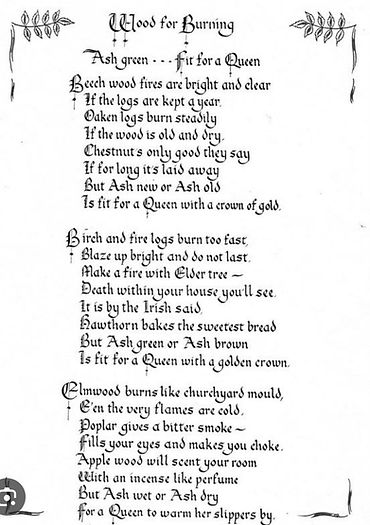
This idea for this project came from a conversation about this interesting poem that Harry had found, which was written by Lady Celia Congreve in the 1930s.